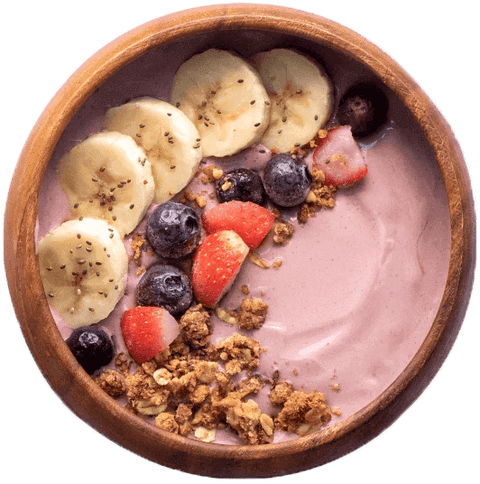
For a savoury sauce, choose a nut butter whose ingredients suit the flavour you want. For a sweet pancake topping, a flavoured spread can give you a ready-made combination. Both can work in your kitchen, but they are not automatically interchangeable.
The most useful distinction is on the label. A product made entirely from ground nuts is different from a spread that combines nuts with other ingredients. That difference matters when you want to control the sweetness, flavour and consistency of a dish.
Start with the ingredients, not the name
“Nut butter” and “spread” describe products you can spread, but the name alone does not tell you the full composition. Some nut butters contain only nuts; others include salt, oils or sweetening ingredients. A spread can also have a simple recipe, so check the ingredients rather than judging by the category.
Look for three things: the percentage of nuts, any ingredients that bring sweetness, and any added oils or flavourings. These tell you whether the product will provide a straightforward nut flavour or a more developed combination.
For example, Bett’r organic almond butter contains 100% roasted almonds. The Bett’r organic almond spread contains 20% roasted almonds alongside date powder and other ingredients. One gives you an almond base to work with; the other brings its own flavour combination.
Which works best for what you are making?
| What you are preparing | A useful starting point | What to check |
|---|---|---|
| A savoury sauce | Plain peanut, almond or cashew butter | Sweetening ingredients and salt |
| Porridge | Nut butter or a flavoured spread | Whether you want to add your own flavourings |
| Pancakes or toast | Either, depending on the result you want | Taste and consistency for spreading |
| Cake or cookies | The product specified in the recipe | Composition, quantity and method |
For savoury sauces
A plain nut butter lets you build the seasoning yourself. You can adjust acidity, salt and spices without introducing an unexpected sweet flavour.
Bett’r organic peanut butter contains 100% roasted peanuts. It is an option when you want peanut flavour as the starting point for a sauce. For more ways to serve it, explore our peanut butter pairing ideas.
For porridge and pancake toppings
Choose according to how much of the flavour you want to create yourself. A plain nut butter leaves room for fruit, cacao or cinnamon. A flavoured spread is useful when you want a topping with its own combination of ingredients.
Bett’r organic cashew butter contains 100% roasted cashews. You can use it as a starting point for breakfast bowls or a pancake topping, then add the accompaniments you enjoy.
For baking
Follow the recipe’s specified ingredient first. A sweetened spread may change the flavour and sweetness, while a different balance of nuts and oils can change the dough or batter.
If you are adapting a familiar recipe, change one ingredient at a time and record the amount. A topping is easier to swap because it does not need to perform the same role as an ingredient baked into the mixture.
Check the texture before measuring
Some nut butters develop a layer of oil on top. Stir it back into the paste before measuring a portion so that you do not take mostly oil from the surface and leave a much thicker mixture below.
For storage, follow the instructions on your jar. Temperature can affect how easily a product spreads, so compare products under similar conditions when deciding which texture you prefer.
Match the jar to your next meal
You do not need the same product for every use. A plain nut butter gives you more control when you are building a sauce or adapting a recipe. A flavoured spread can be convenient when you want to finish toast, pancakes or a bowl of porridge.
Explore the Bett’r collection of organic nut butters and spreads and choose by ingredients and the dish you want to prepare.
Frequently asked questions
Can I use a spread instead of nut butter?
Often as a topping, if you like its flavour. In baking or a savoury sauce, check the ingredients first. Sweetness and composition may change the result.
Does “100% nuts” mean the product contains no fat?
No. Nuts contain fat naturally. A product made entirely from nuts can have no added oils and still contain fat.
Is a plain nut butter always the better choice?
It depends on your recipe. Plain nut butter offers more control over seasoning. A flavoured spread can be a useful ready-made topping. Choose the composition that fits your intended use.
Do I need to check allergens in both?
Yes. Check the ingredients and any precautionary allergen information on the specific pack. Similar-looking products can contain different ingredients.